LOADING
By Bhumeshwari Dangar • Apr 10, 2026

Contents
For most NGOs working in afforestation and environmental restoration, the challenge is not planting trees. It is proving that the work is real, sustained, and creating impact.
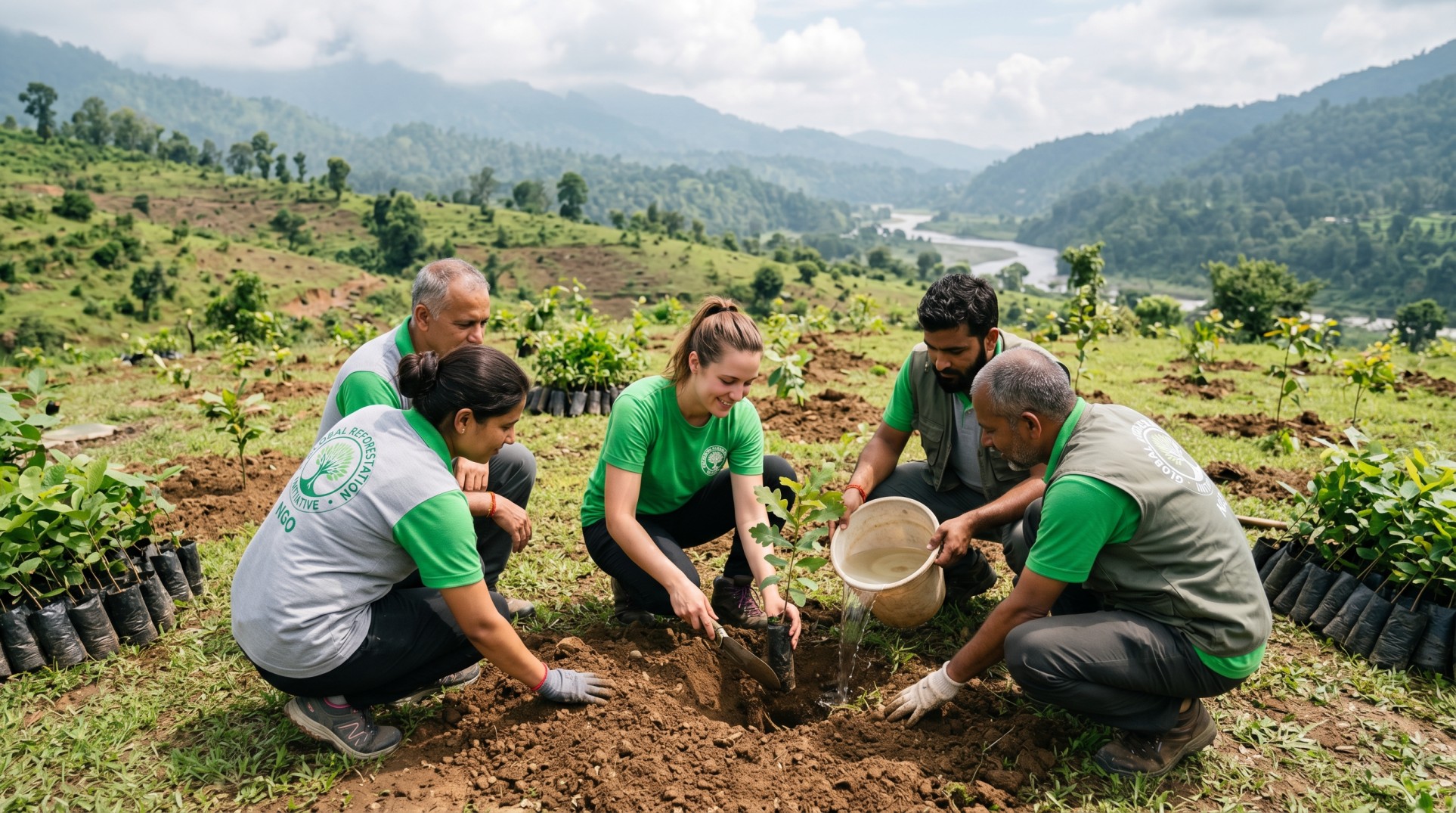
Donors today are more aware, more selective, and more outcome-focused. They are not just asking:
And increasingly: Can you show me the data? This shift is redefining how NGOs build trust and access funding.
Most NGOs rely on a familiar reporting format:
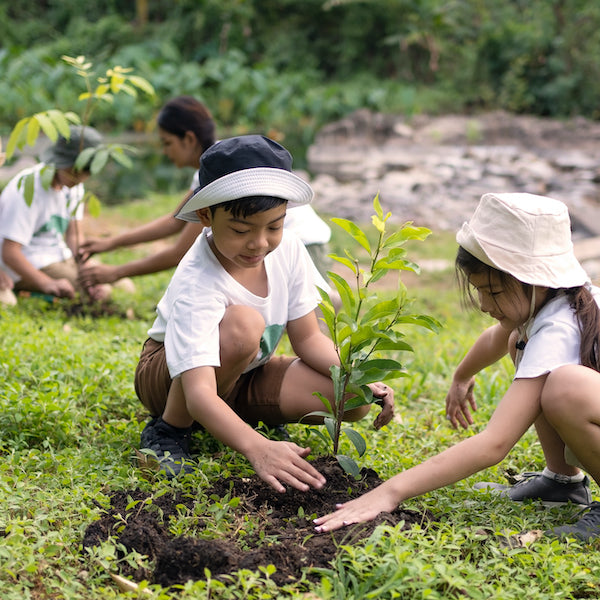
While these are important, they often lack:
Even well-executed projects can appear:
As highlighted by global development organizations like World Bank and transparency frameworks such as International Aid Transparency Initiative, data-driven reporting and transparency are becoming central to funding decisions.
Trust is no longer built on intent alone. It is built on evidence.
What Donors Expect Today The expectations around environmental funding have evolved.

### Donors are now looking for:
1. Traceability They want to know where their contribution is going. Not just the region, but the actual site and outcome.
2. Continuity One-time updates are not enough. There is an expectation of ongoing visibility into the project.
3. Measurable Outcomes Beyond plantation counts, donors want:
4. Transparency Clear, structured, and verifiable data builds confidence. Without these, even meaningful projects can struggle to communicate their value.
Traditional NGO reporting often depends on:
This leads to several challenges:
Most importantly, reporting becomes retrospective, not real time. By the time a report is shared, it reflects what was done, not what is happening.
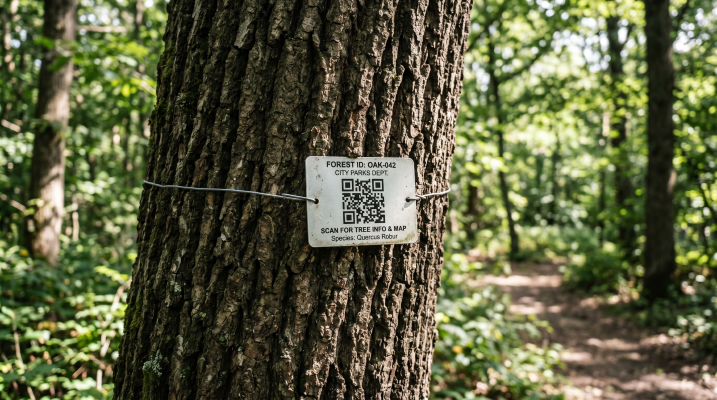
Tree tagging introduces a fundamentally different approach. By assigning a unique identity and location to each tree, it creates:
Instead of reporting in aggregates, NGOs can show:
From Reports to Living Data With tree tagging, reporting is no longer limited to documents.
It becomes:
NGOs can move from:
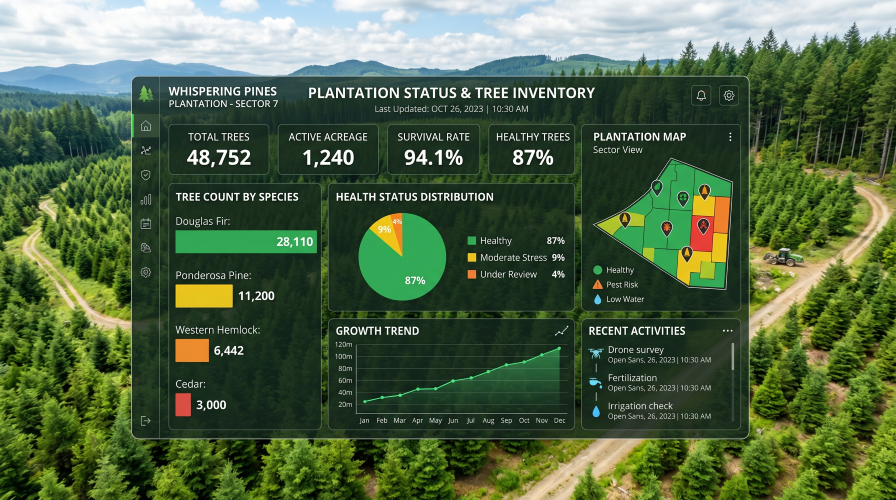
Donors can:
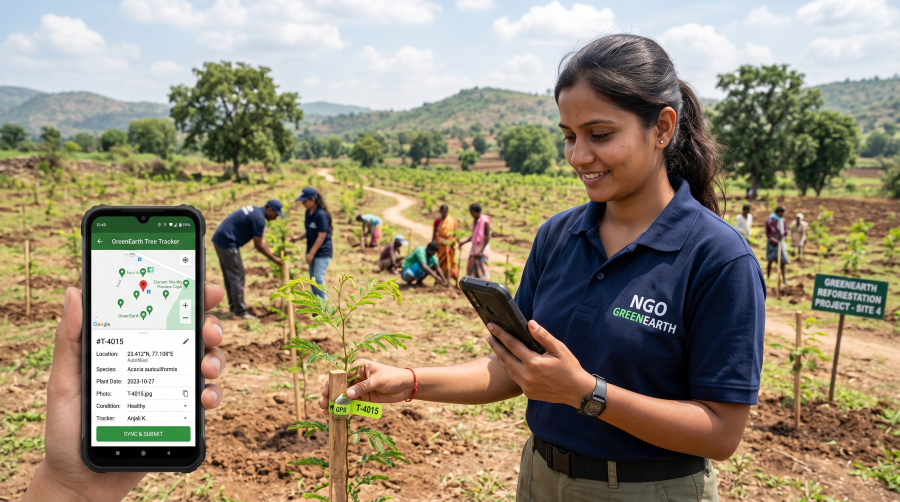
1. Trust Becomes Stronger When impact is visible and verifiable, trust builds naturally. Donors do not need to rely on assumptions. They can see the work.
2. Funding Conversations Improve With clear data, NGOs can:
3. Differentiation Increases In a crowded space, NGOs that can show real, structured impact stand out. Tree tagging becomes a competitive advantage.
4. Internal Efficiency Improves Tracking systems also help NGOs:
This improves both impact and operations.
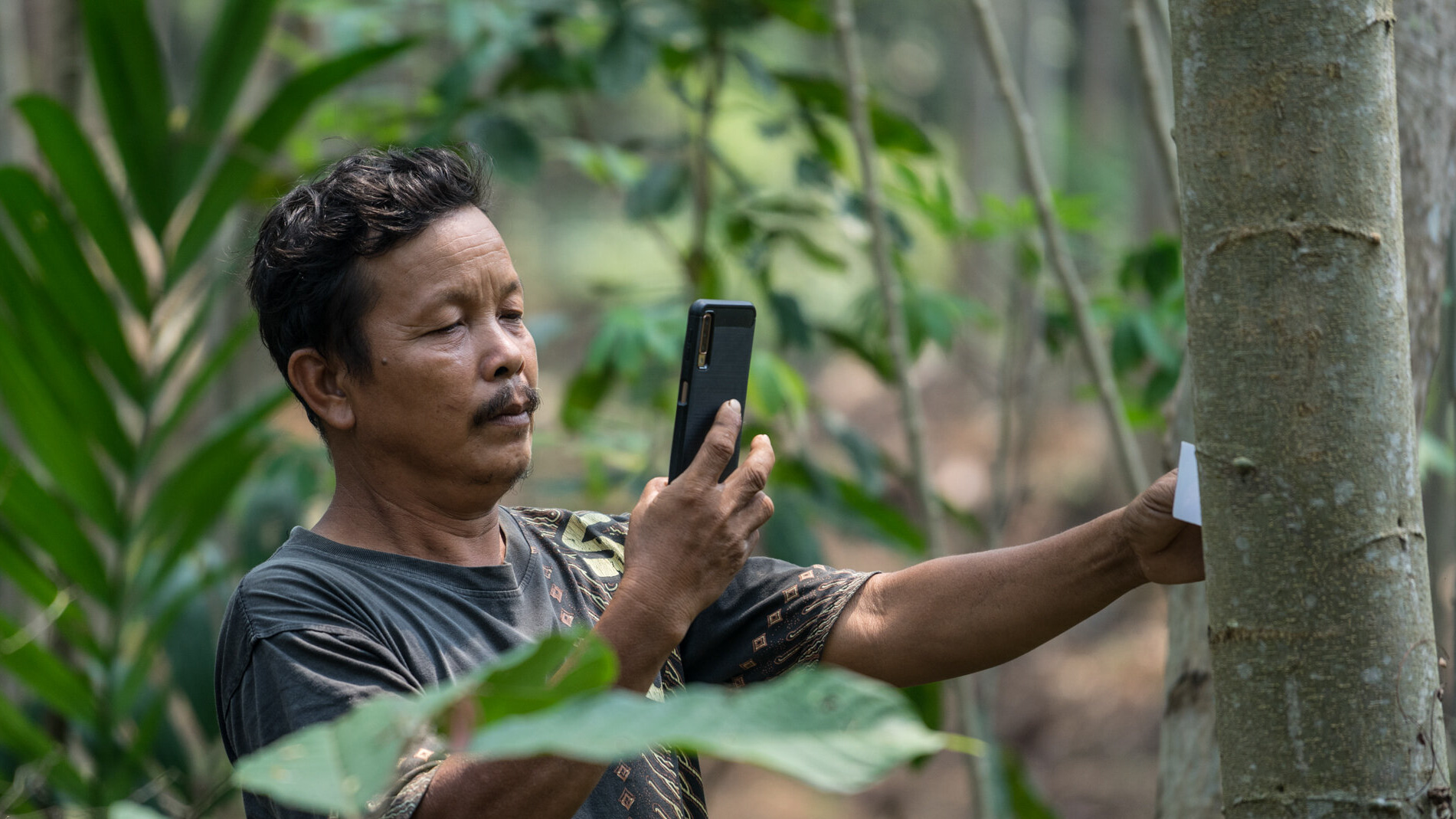
Tree tagging is not only useful for donors. It also enables:
Communities can:
NGOs are moving from:
From:
From:
Tree tagging fits directly into this shift.
It provides the structure needed to move from:
Closing Thought:
NGOs do some of the most important work in environmental restoration.
But in a world where funding depends on trust, impact needs to be visible, not assumed. Tree tagging does not change the work being done. It changes how that work is seen, understood, and trusted.
Because ultimately, the ability to show impact is what sustains the ability to create it.
1. How can NGOs build trust with donors?
NGOs can build trust by sharing transparent, verifiable data on outcomes like tree survival and impact, not just activities or plantation numbers.
2. What is tree tagging for NGOs?
Tree tagging allows NGOs to assign a unique identity and location to each tree, enabling them to track survival, growth, and impact over time.
3. How does tree tagging help NGOs get funding?
It strengthens credibility by providing clear, traceable impact data, helping NGOs demonstrate real outcomes in proposals and donor reports.
4. Why do donors need impact data?
Donors want assurance that their contributions create measurable, long term environmental impact rather than just one time activities.
5. What are the challenges in NGO impact reporting?
NGOs often face challenges like lack of structured data, limited monitoring systems, and difficulty in verifying long term outcomes.
6. How can NGOs track plantation impact?
NGOs can track impact by using digital monitoring systems such as tree tagging platforms that record survival, growth, and location data.
7. What is donor transparency in NGOs?
Donor transparency means providing clear, accurate, and verifiable information on how funds are used and what outcomes are achieved.
8. Can small NGOs use tree tagging?
Yes, modern tree tagging platforms are scalable and accessible, making them suitable for both small and large NGOs.
9. How does tree tagging improve accountability?
By creating traceable records for each tree, it ensures that outcomes can be verified and projects remain accountable over time.
10. Why is continuous monitoring important for NGOs?
Continuous monitoring helps identify issues early, improve survival rates, and provide ongoing visibility into project performance for donors.