LOADING
By Bhumeshwari Dangar • Apr 10, 2026

Contents
Tree plantation has become one of the most visible actions in sustainability. Every year, millions of saplings are planted by governments, companies, NGOs, and individuals. Numbers are announced. Targets are achieved. Photos are shared.
But step back and ask a simple question: How many of those trees are actually alive after one year?
This is where the narrative starts to break.
Plantation is often treated as the goal. In reality, it is only the beginning. Without survival, growth, and ecological integration, a plantation drive does not translate into impact. And the biggest reason for this gap is simple: what gets planted is counted, but what survives is rarely tracked.
Across multiple afforestation efforts globally, survival rates vary widely. Studies compiled by organizations like Food and Agriculture Organization and restoration research platforms such as World Resources Institute show that tree survival can range anywhere between 30 percent to 80 percent, depending on location, species, and post-plantation care.
In India, the challenge is even more nuanced. Large-scale drives often focus on plantation targets, but long-term monitoring is limited. Research published through the Indian Council of Forestry Research and Education highlights that poor site selection, lack of maintenance, and inadequate species planning are key contributors to plantation failure.
The result is a quiet but significant gap: We celebrate planting, but we rarely verify survival.
Many plantations are executed without a deep understanding of local ecology. Species are selected based on availability or speed, not suitability. For example:
Global restoration guidance, including frameworks referenced by the United Nations Environment Programme, repeatedly emphasizes that the right tree, right place, right purpose is critical. Yet, in practice, this step is often rushed.
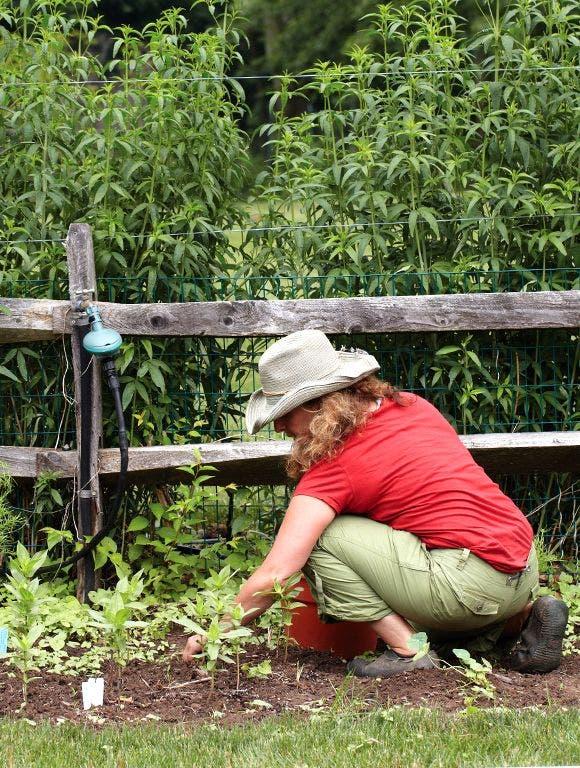
Plantation drives are event-driven. Maintenance is not. Watering, protection from grazing, soil care, and periodic checks are essential during the first 2 to 3 years. Without this, saplings struggle to establish roots. However:
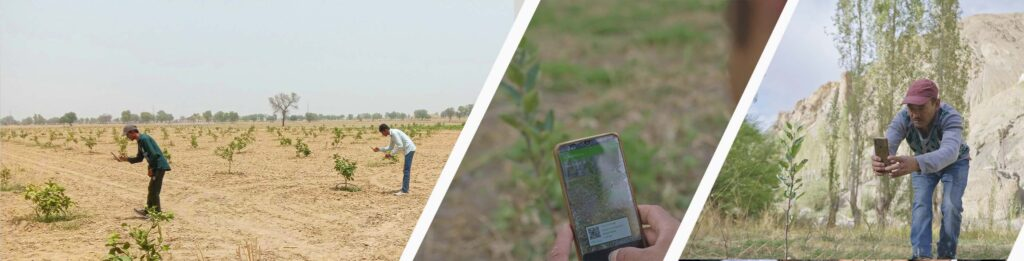
This is the most critical gap. Once trees are planted:
This is where the problem compounds. Organizations often report:
When plantations are not tracked, the consequences extend beyond ecology.
Donor trust becomes harder to build
Most importantly:
Environmental impact remains uncertain. A tree that does not survive does not sequester carbon, support biodiversity, or restore ecosystems. Without tracking, we do not know if the intended climate and ecological benefits are actually being achieved.
This is a fundamental shift that the sector is beginning to recognize.
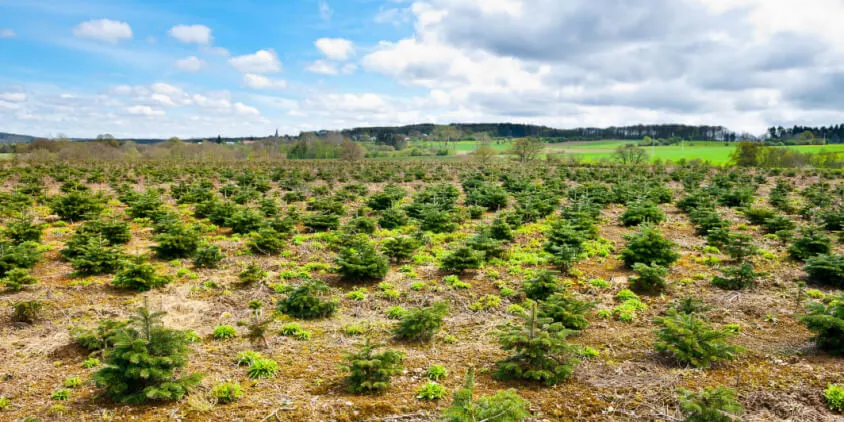
Plantation is a single event. Impact unfolds over years.
To move from one to the other, three things are required:
Without these, plantations remain disconnected from outcomes.
Let’s break down what is typically missing:
These are not minor gaps. They are the difference between activity and impact.
To address this, the approach to plantation needs to evolve.
Instead of:
We need to start:
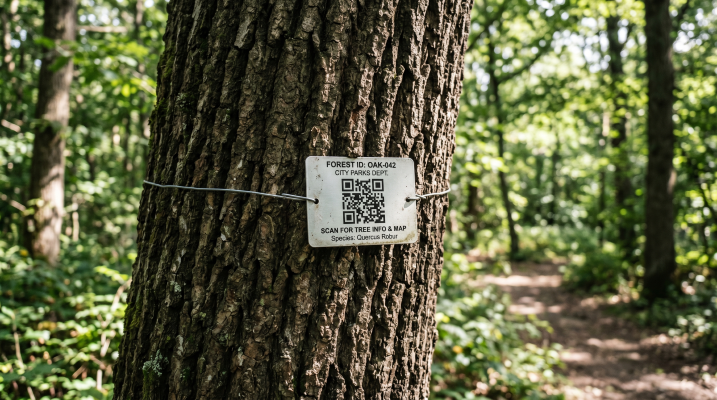
This is where tree tagging and structured monitoring systems begin to play a critical role.
By assigning a unique identity and location to each tree, and building a system around it, plantations can move from:
Sustainability is no longer about intent. It is about evidence.
Whether it is CSR, ESG, or climate commitments, the expectation is clear:
Tree plantations have the potential to deliver real environmental value. But only if they are tracked, measured, and verified over time.
Planting a tree is a powerful act. But impact does not come from planting alone. It comes from ensuring that the tree survives, grows, and becomes part of a living ecosystem. Until we start tracking that journey, we are measuring effort, not impact.
1. What is the survival rate of tree plantations?
Tree plantation survival rates typically range from 30 percent to 80 percent, depending on species selection, site conditions, and post-plantation maintenance.
2. Why do tree plantation drives fail in India?
Tree plantations often fail due to poor species selection, lack of watering and maintenance, unsuitable planting locations, and absence of long term monitoring.
3. What is tree tagging in plantation projects?
Tree tagging is the process of assigning a unique identity and location to each tree, allowing organizations to track survival, growth, and environmental impact over time.
4. How can tree survival rates be improved?
Survival rates improve with native species selection, proper site preparation, regular maintenance, and continuous monitoring using structured tracking systems.
5. Why is monitoring important after planting trees?
Monitoring ensures that trees survive and grow, helps identify issues early, and provides real data for reporting environmental and climate impact.
6. How do companies measure the impact of tree plantations?
Companies measure impact through survival rates, growth data, carbon sequestration potential, and biodiversity indicators, often supported by tracking and reporting systems.
7. What are the common challenges in afforestation projects?
Key challenges include lack of long term care, insufficient funding for maintenance, poor data tracking, and mismatch between species and local ecosystems.
8. How does tree tagging help in CSR reporting?
Tree tagging provides verifiable, location based data that supports transparent CSR reporting and helps companies demonstrate real environmental impact.
9. Can tree plantations contribute to climate goals?
Yes, trees help absorb carbon dioxide, improve soil health, and support ecosystems, but only if they survive and are monitored over time.
10. What is the difference between planting trees and creating impact?
Planting trees is an activity, while impact depends on survival, growth, and ecological contribution, which require tracking and long term monitoring.